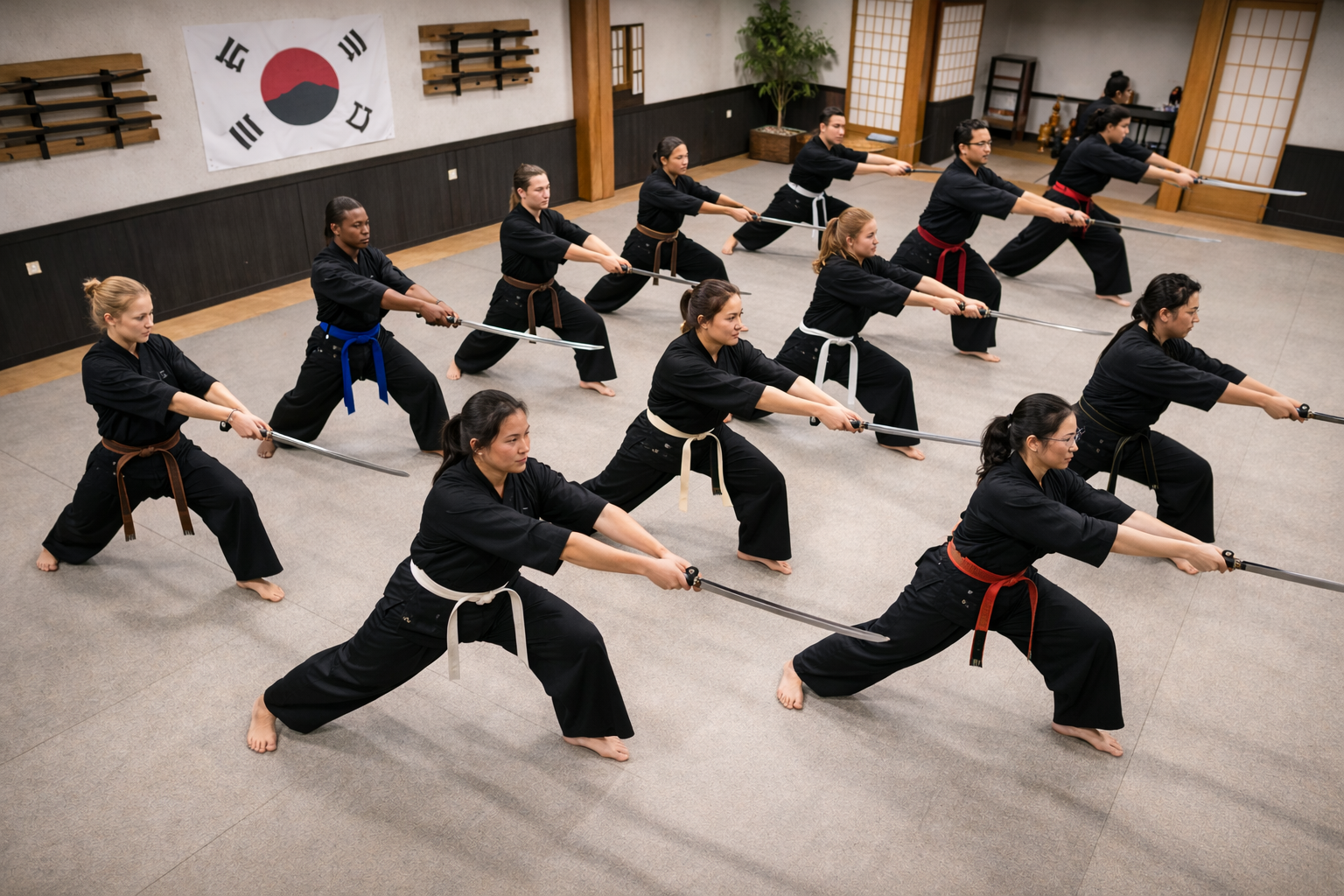
Our Training Approach
BIHYU Martial Arts follows a precision-based training system rooted in traditional Korean martial arts.
Our approach emphasizes technical accuracy, control, and structured progression. Training is designed to develop efficient movement, body awareness, and discipline through clear, step-by-step instruction.
There are no shortcuts or accelerated advancement. Progress is earned through consistency, attention to detail, and demonstrated understanding.
Students train through guided repetition, controlled partner work, and progressive skill development, ensuring both safety and long-term improvement.
The objective is not short-term performance, but the development of discipline, focus, and high-quality movement over time.
Program Structure
Programs are organized by age and developmental stage to ensure appropriate instruction, safety, and consistent progression.
Each program builds on the same foundation:
Precision over speed
Control over force
Discipline over shortcuts
Tiny Tigers (Ages 6–9)
Build coordination, focus, and discipline through structured movement and clear instruction.
Youth Martial Arts (Ages 10–14)
Develop technique, control, and discipline through progressive training and guided practice.
Adults Martial Arts (Ages 16+)
Train with precision, control, and purpose. Build strength, coordination, and real technical skill.
Family Classes (Ages 8+ with Guardian)
Train together in a structured environment that builds coordination, communication, and shared discipline.
Program Details
Tiny Tigers (Ages 6–9)
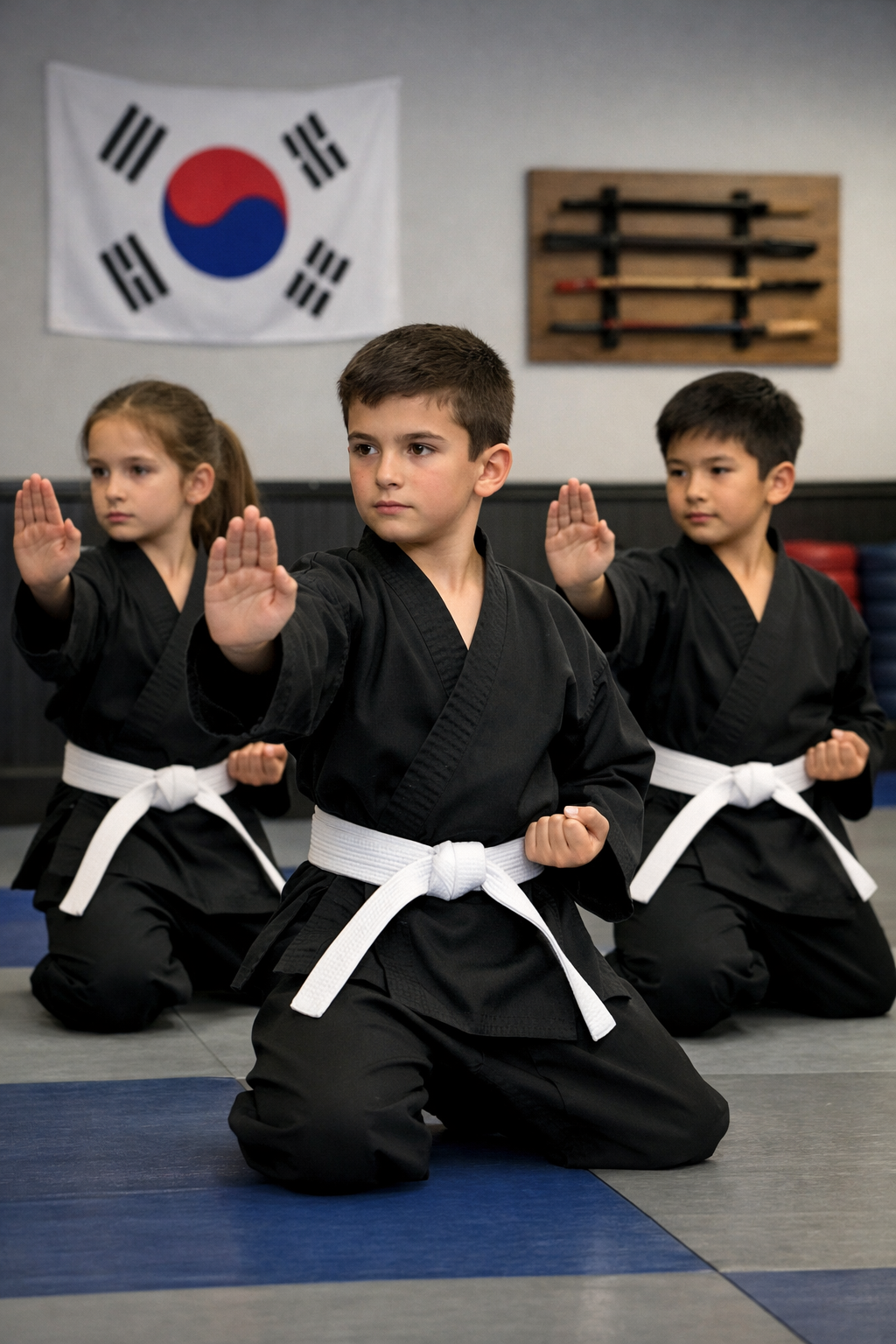
Tiny Tigers
An introduction to martial arts through structured movement and early skill development.
Training focuses on:
Coordination and balance
Listening skills and focus
Basic discipline and classroom behavior
Body awareness
Foundational movement patterns
Classes are designed around children’s attention span, using repetition and clear structure to build confidence and consistency.
Students begin developing the habits that support long-term training.
Youth (Ages 10–14)
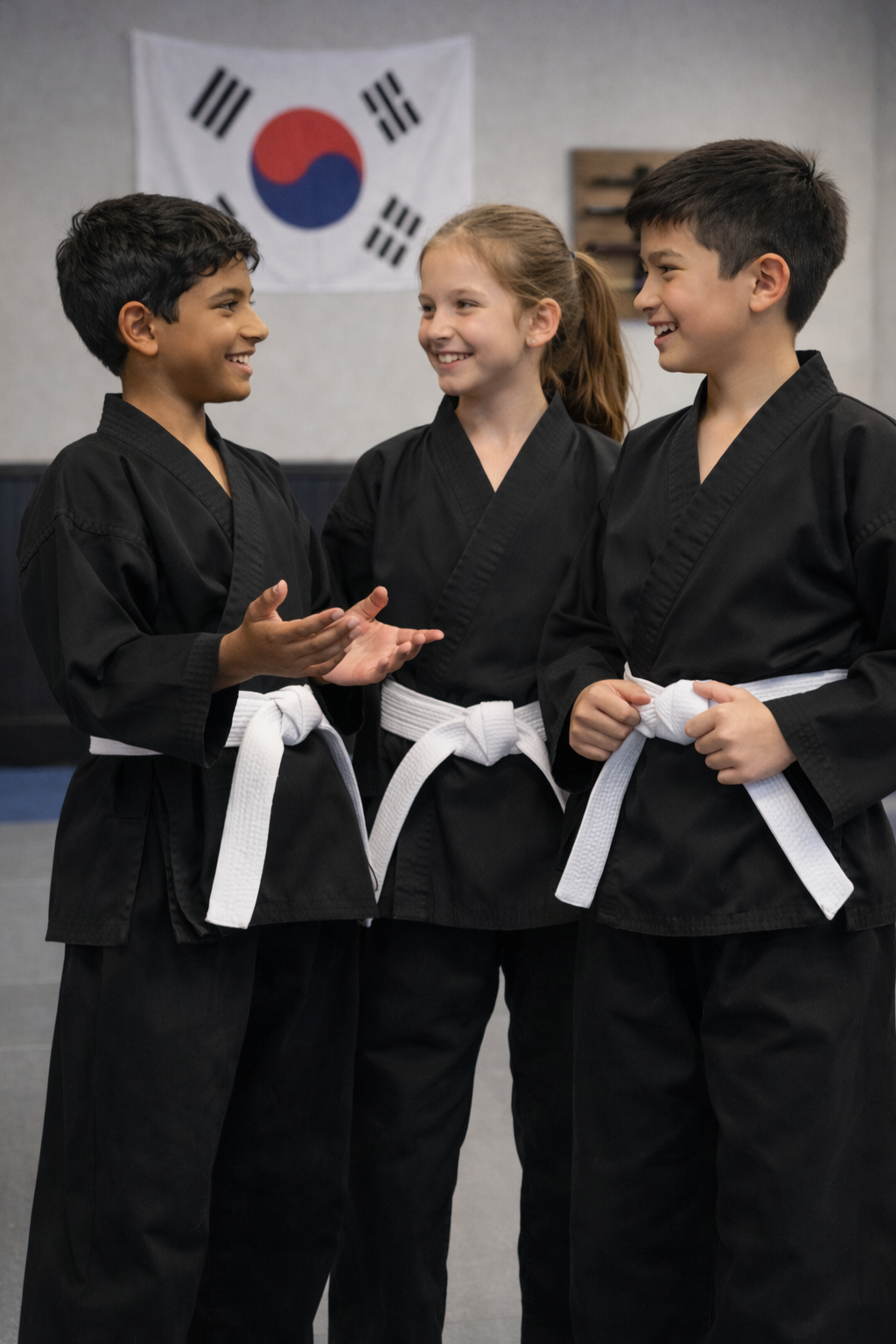
Youth
A structured program focused on developing technical fundamentals, discipline, and control.
Training includes:
Technical drills and foundational techniques
Balance and coordination development
Controlled partner practice
Responsibility and focus
Progressive skill development
At this stage, students begin refining movement quality while building consistency and discipline.
Adults Martial Arts(Ages 16+)
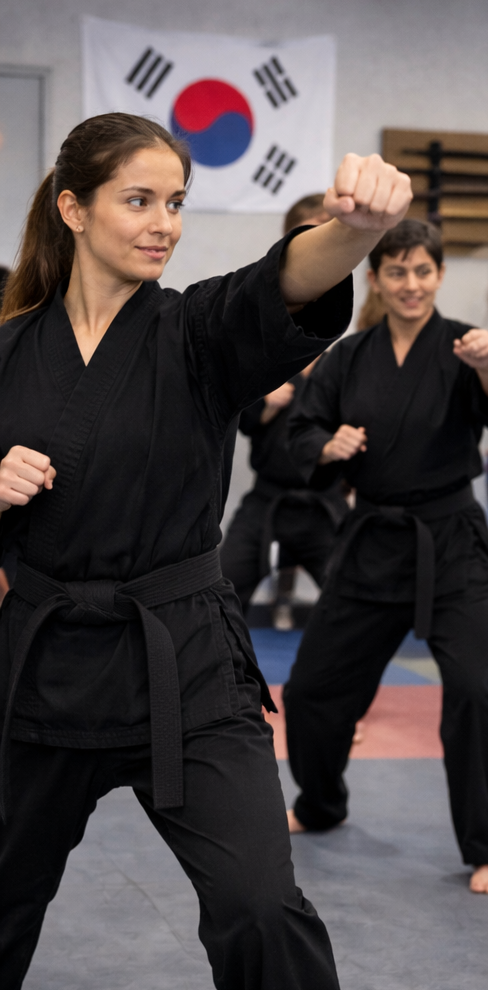
Adults Martial Arts
A structured training program for individuals seeking a serious and disciplined approach to martial arts.
Training focuses on:
Technical precision and accuracy
Strength, balance, and coordination
Controlled partner training
Body awareness and movement efficiency
Progressive, structured skill development
Students train through repetition and guided instruction, emphasizing quality of movement over intensity or speed.
Progression is based on consistency, discipline, and understanding—not time.
Family Classes (Ages 8+ with Guardian)
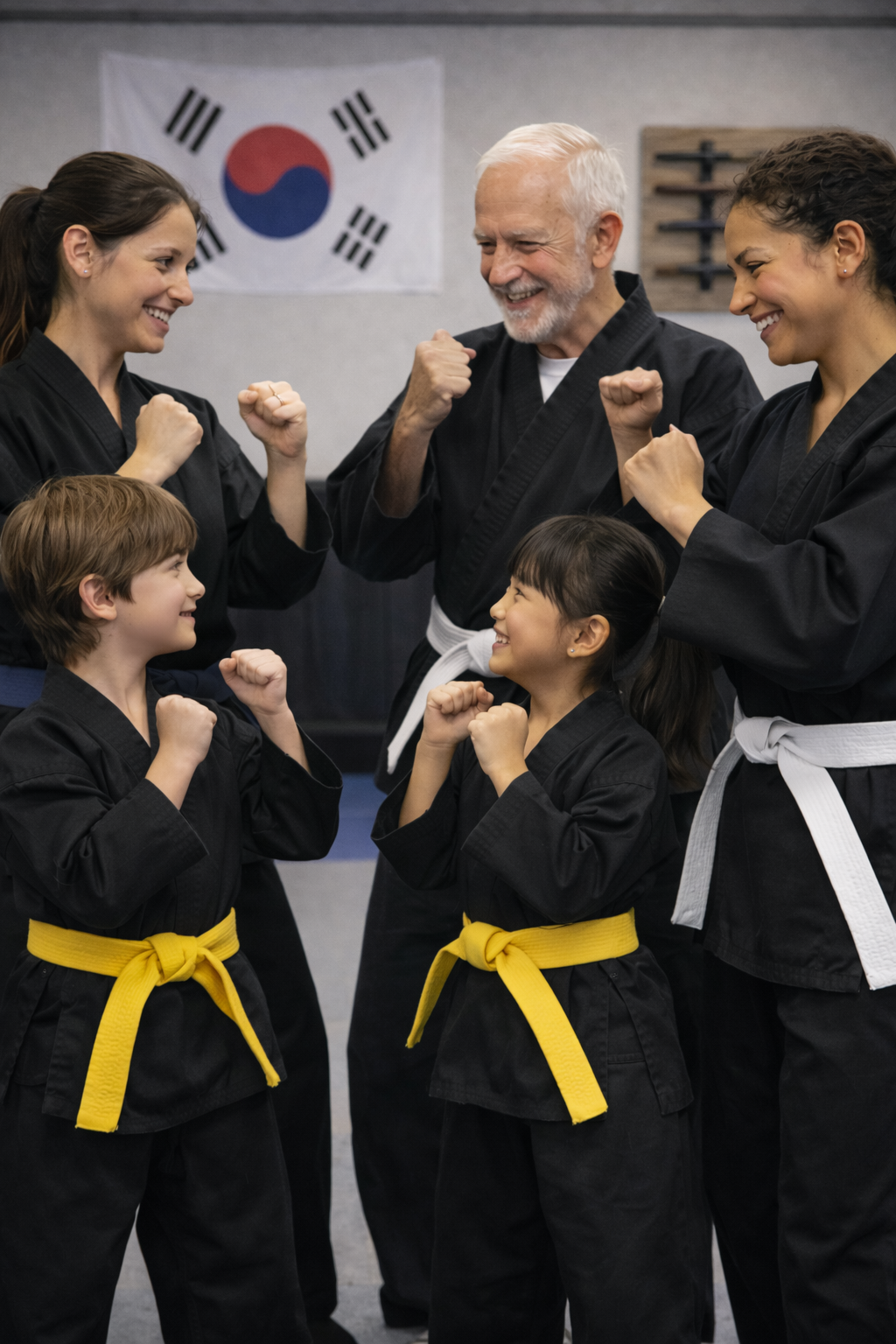
Family Classes
A structured parent-child training environment designed to build skill, discipline, and connection through shared practice.
Training includes:
Guided partner work between parent and child
Foundational techniques and movement drills
Coordination and balance development
Safe and structured interaction
This program is beginner-friendly while maintaining the same standards of structure, control, and discipline.
It provides a unique opportunity for families to train together while developing focus, communication, and shared experience.
Curriculum & Progression
BIHYU Martial Arts follows a progressive curriculum built on strong fundamentals.
Training includes:
Foundational stances and posture
Striking and kicking mechanics
Joint control fundamentals
Falling and safety skills
Traditional movement patterns
Controlled partner drills
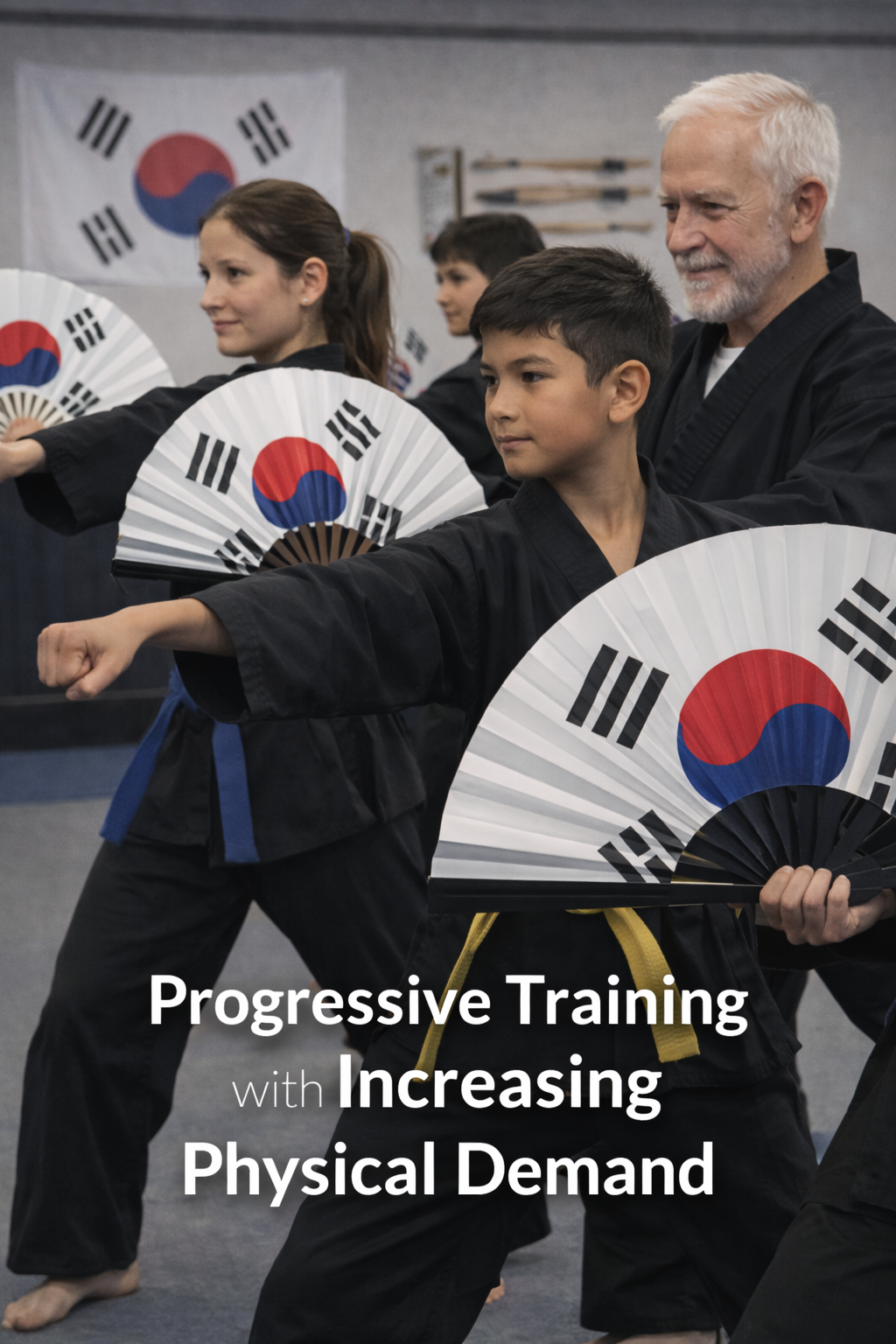
Advancement is based on consistency, effort, focus, and readiness — not speed.
Students develop real skill through disciplined training and technical accuracy over time.
What to Expect
A Structured and Safe Training Experience
Classes follow a consistent structure to support learning and safety.
Each session includes:
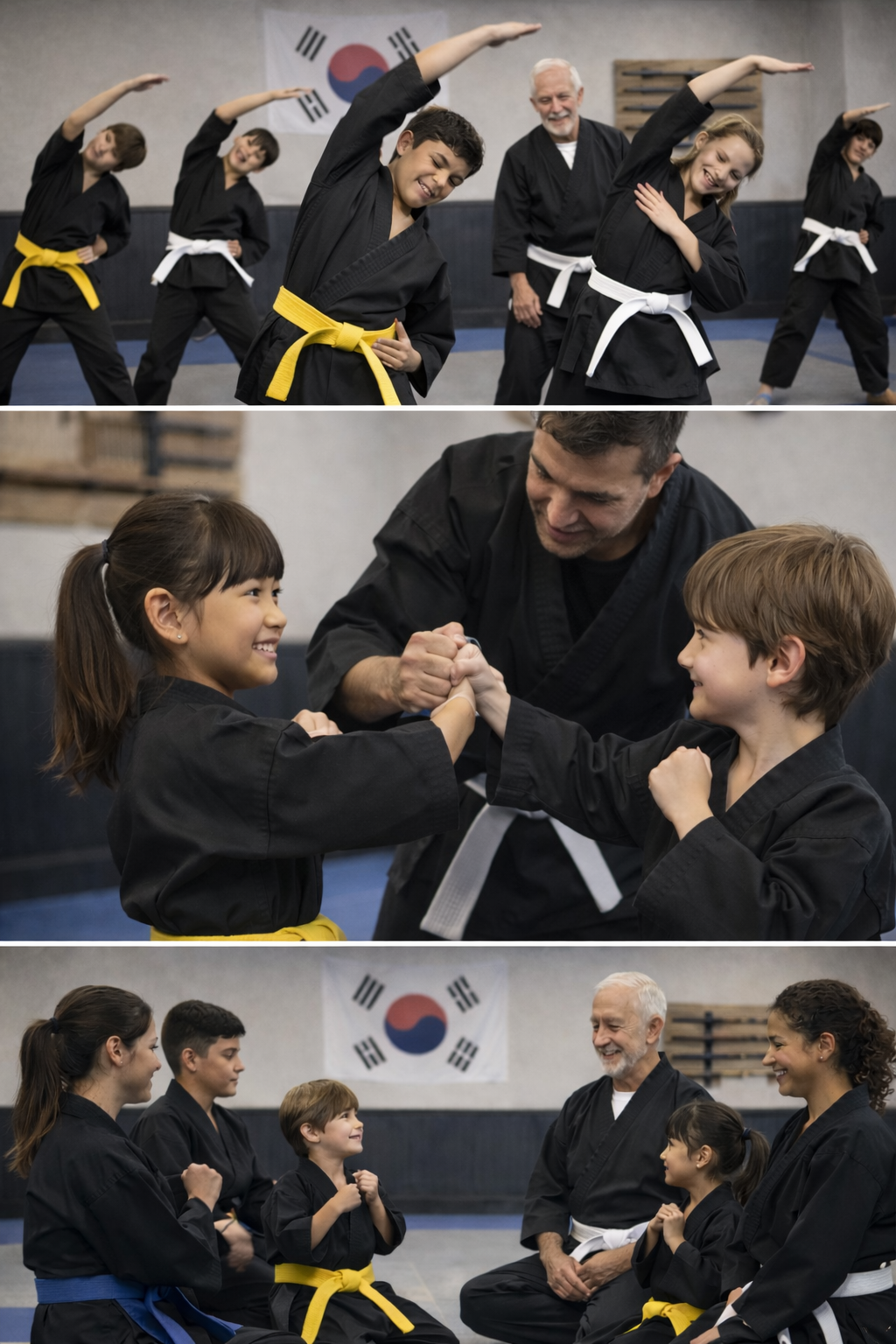
Warm-Up & Mobility
Prepare the body and improve coordination
Skill Development
Practice of core techniques through guided instruction
Partner Training
Supervised drills focused on control and awareness
Cool-Down & Reflection
Breathing and stretching to reinforce focus and discipline
Classes are conducted in a calm, structured environment with clear expectations.
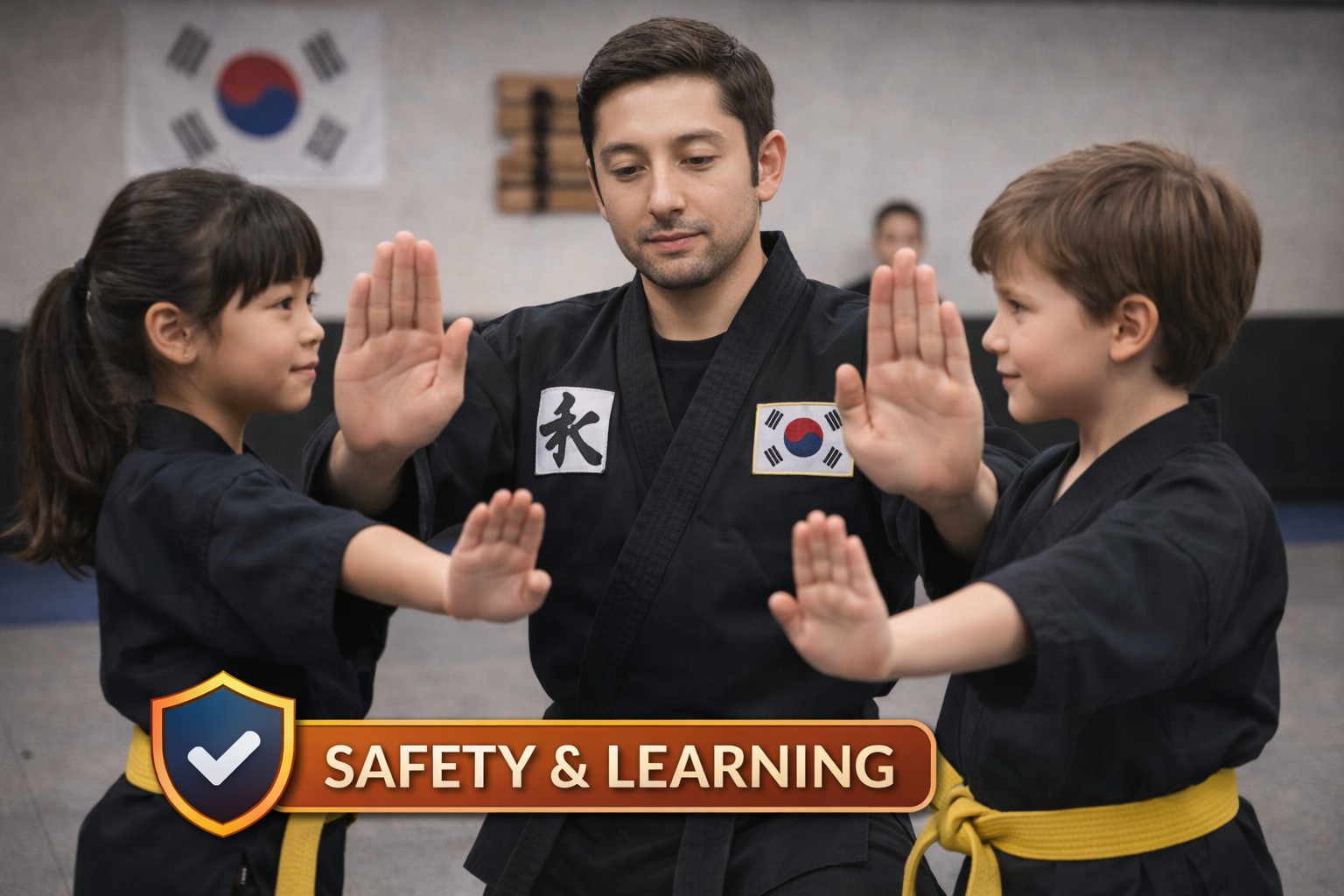
Safety & Learning Environment
Safety is a fundamental priority in all BIHYU Martial Arts programs. Classes are conducted in a structured and respectful environment where students learn to develop control, awareness, and responsible partner practice.
Key principles include:
• Supervised partner training
• No forced sparring or uncontrolled contact
• Instruction adapted to age and ability
• Development of body awareness and self-control
• Respectful and supportive training culture
All techniques are introduced progressively and practiced under close supervision to ensure that students build skill and confidence in a safe and controlled manner.
This approach allows students to develop martial arts ability while training in an environment that prioritizes safety, respect, and long-term development.
BIHYU Martial Arts programs are designed for individuals seeking structured, disciplined training.
Suitable for:
Children and youth
Families
Adults
Older adults
Schools and community programs
Our approach emphasizes personal development, discipline, and movement quality — not competitive combat sports.
Who This is For
Why BIHYU Martial Arts
BIHYU Martial Arts is built on a training philosophy that prioritizes technical precision, discipline, and long-term development over fast progression or performance-based training.
Students are guided to develop real skill, control, and awareness through structured instruction and consistent practice.
Our approach is not based on shortcuts or entertainment, but on building a strong foundation that supports both martial arts training and personal growth over time.
Contact us today to ask about programs, schedules, and enrollment options.